
Home Care After a Stroke: What the First 90 Days Look Like in Yorba Linda
Most stroke survivors leave the hospital within a week. Discharge papers come, transport is arranged, and then the person is home. Nobody quite prepares for what happens on day nine, or six weeks later. Initial adrenaline of crisis response fades, and the actual work of recovery is still going.
Home care after a stroke is not the same as standard recovery care. Needs are more acute in the early weeks, more unpredictable, and more closely tied to a recovery window that closes quickly. Having an emergency caregiver backup plan ready before a loved one walks through the front door is one of the best steps a family can take. Week one is rarely smooth.
Why the First 90 Days After a Stroke Are Different
Stroke recovery takes time. That part is widely known. Fewer people know that the first three months are, neurologically speaking, the most active. New pathways are forming to compensate for the ones that were damaged. That process responds to stimulation, to consistent movement, to routine, and to an environment where the survivor feels safe enough to try.
Stakes during this window are also higher. Fall risk peaks in the early weeks, before physical strength and spatial awareness have caught up with the desire to move independently. Medication errors are more common when someone is cognitively tired and managing several new prescriptions. Emotional distress, frustration, grief, withdrawal, can slow the physical recovery if it goes unaddressed.
Having extra home care after a stroke covers what the clinical team cannot. Appointments happen once a week or once a month. Recovery happens in the hours between them.
What Happens to the Brain and Body During Early Recovery
A stroke interrupts blood flow to part of the brain. Depending on where and for how long, the effects vary considerably. One person might struggle to grip a cup. Another loses words mid-sentence. A third walks steadily but finds stairs require full concentration.
What all of these share is fatigue. According to Johns Hopkins Medicine, the first three months after a stroke are the most important for recovery, and the period when survivors will see the most improvement. A recovering brain works harder than usual to accomplish what the body used to do automatically. A short walk to the kitchen might wipe someone out for an hour. That is not an exaggeration, and it surprises adult children who see their parent looking physically fine but unable to stay awake past noon.
Emotional effects are just as real. Post-stroke depression is common in the weeks and months after discharge. So is frustration at having to ask for help with things that were automatic six weeks ago. Recognizing those responses as part of recovery, not obstacles to it, changes how support gets offered.
What Home Care After a Stroke Covers Day to Day
A caregiver working with a stroke survivor is watching for fall risk, reinforcing the exercises the occupational therapist assigned, and keeping track of medications at the right intervals. That daily presence is part of what makes home care after a stroke different from general assistance.
During the early recovery period, when physical and emotional demands are both high, elder care support in Yorba Linda can help with that daily support. It is not medical care. This kind of care works alongside the medical team to fill the hours between appointments, when someone is at home and whoever is managing their schedule is doing their best.
Personal Care, Medication, and Mobility Support
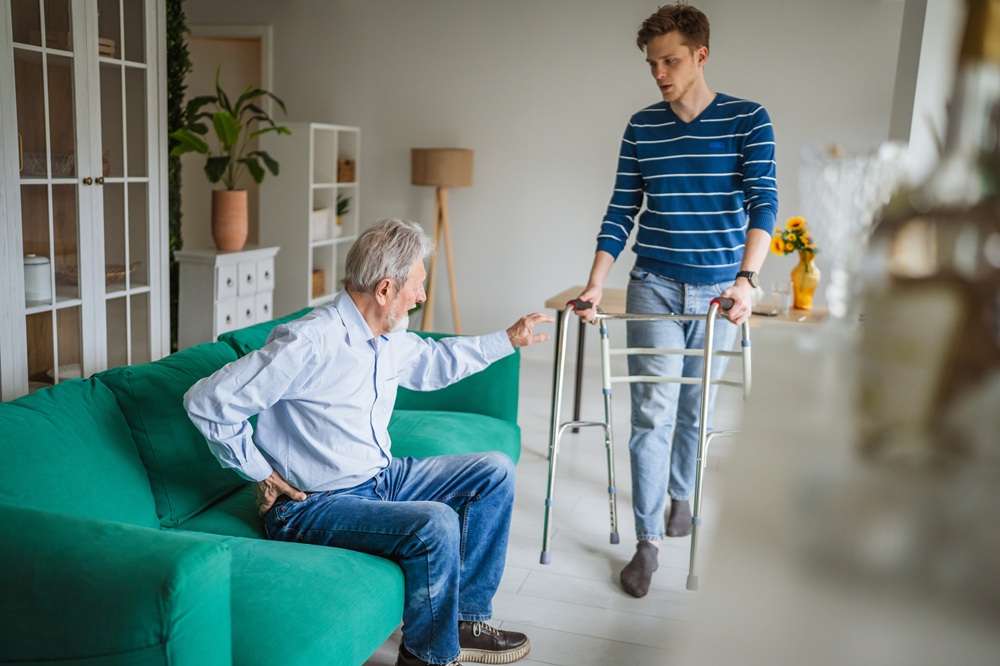
The physical help during stroke recovery is more hands-on than discharge day makes it seem. Dressing can take three times as long when one hand is not cooperating. Showering involves a real fall risk on a wet floor. Getting from the bed to a chair requires someone who knows how to assist without taking over entirely.
Medication tracking is its own challenge. A stroke survivor often comes home with several new prescriptions, each with its own timing. A caregiver handles the reminders, notes any reactions, and flags anything that seems off. Consistency here is worth the effort, because missed or doubled doses are a genuine risk for someone managing recovery while dealing with fatigue and cognitive fog.
When the need for support runs around the clock, 24-hour home care in Yorba Linda keeps someone present overnight. A fall at 2am with no one there is a different situation than a fall at 2am with a caregiver down the hall.
The Three Phases of the First 90 Days and How Support Changes
Recovery does not move in a straight line, but the first 90 days follow a pattern most households recognize in retrospect. Support needed at week two looks different from week seven, and week ten is different again. Home care after a stroke works best when it adjusts as the survivor’s capacity changes, not when it stays fixed at the level set on discharge day.
Weeks 1 to 4: High-Dependency, Immediate Support
These first weeks are the most intensive. Survivors are adjusting to what their body can and cannot do, often encountering those limits for the first time. Personal care help is frequent. A caregiver is present for most waking hours, not because the survivor cannot be left alone, but because the moment when something goes wrong arrives without announcement.
Fall watch is the highest priority during this phase. So is keeping the household calm and predictable. Too much stimulation, too many visitors, or a disrupted sleep schedule can set back what the brain is working on. A caregiver who knows that rhythm, and who can explain it to adult children watching from the outside, makes those first weeks more manageable for everyone.
Weeks 5 to 8: Building Routine and Rebuilding Confidence
Around weeks five through eight, most survivors settle into a rhythm. They know when they feel strongest, usually mid-morning. A sense of what their limits are starts to emerge and, more importantly, where those limits are slowly expanding. During this phase, the caregiver’s role moves from doing-for toward standing-by.
That distinction changes the recovery trajectory. A person who gets help before needing it stops trying. One who is supported while attempting something builds confidence and capacity at the same time. Small wins during this phase are not small. Getting through a meal without help, walking to the mailbox, finishing a short phone call, each of those is a gain.
Weeks 9 to 12: Stepping Toward Greater Independence
Some survivors reduce their care hours during this phase. Others need consistent support through the full 90 days and beyond. What often surprises a household is that cognitive changes can become more visible as the physical recovery stabilizes. The hand works better, but the person seems slower to process what someone just said, or loses track of what they were about to do.
For people where those cognitive effects are significant, dementia care in Yorba Linda addresses memory and orientation challenges alongside the physical ones. Stroke and dementia are not the same diagnosis, but the cognitive effects of stroke sometimes call for a similar kind of structured, patient support.
Coordinating Home Care After a Stroke with Medical Follow-Up in Yorba Linda
Stroke recovery involves a team: a neurologist, a physical therapist, often an occupational therapist and a speech therapist. Home care does not replace any of them. What it does is cover the hours between those appointments, which is most of the day, most of the week. In Yorba Linda, the home care services available for stroke recovery are flexible enough to adjust week by week as the survivor’s needs change.
In practical terms, a caregiver is usually the one who notices something has changed. Someone who was walking more steadily two days ago is now hesitant. That kind of day-to-day observation gets passed along to the person managing the care or directly to the clinical team. It gives the neurologist better information than a monthly check-in alone can.
In Yorba Linda and the surrounding Orange County communities, access to follow-up medical care is not the limiting factor. The American Heart Association identifies medication adherence, lifestyle adjustments, and consistent follow-up as the factors most tied to recovery outcomes in the first 90 days. For most households, the challenge is not finding follow-up care in Yorba Linda. It is maintaining consistency at home between those appointments, and that is what home care after a stroke provides.
Further Questions
How long does someone need home care after a stroke?
It depends on the severity of the stroke, the survivor’s age, and how much of their prior function returns. Some people step down care hours after the first 90 days. Others continue with support for six months or longer, particularly when cognitive effects persist after the physical recovery has plateaued. A common mistake is reducing support too quickly once the survivor looks better. Looking recovered and being recovered are not the same thing, and a premature step-down is one of the more common reasons for a setback during the first year.
What is the difference between a home health aide and a home caregiver for stroke recovery?
A home health aide provides services ordered by a physician and may include wound care or skilled nursing tasks. A home caregiver focuses on daily personal care, companionship, medication reminders, and help with activities like dressing, bathing, and mobility. Both can be part of a stroke recovery plan, working in parallel rather than one replacing the other.
Can home care help prevent a second stroke?
Not directly, but it supports the lifestyle factors that reduce risk. Medication adherence, a regular sleep and meal schedule, reduced physical stress, and reliable transportation to follow-up appointments all contribute to lower recurrence risk. A caregiver present daily makes each of those more likely to happen as intended.
What Recovery Looks Like at Home in Yorba Linda
For most stroke survivors, the first 90 days at home are harder than the hospital stay. Clinical structure is gone. Schedules are self-managed, and the person who needs support is the same person who used to run the household. Home care after a stroke does not accelerate the neurology. What it does is keep the environment stable, the medication schedule intact, and someone present when the fatigue or the fall or the bad afternoon arrives. Most stroke survivors do not remember needing less support than they got. They remember needing more.