
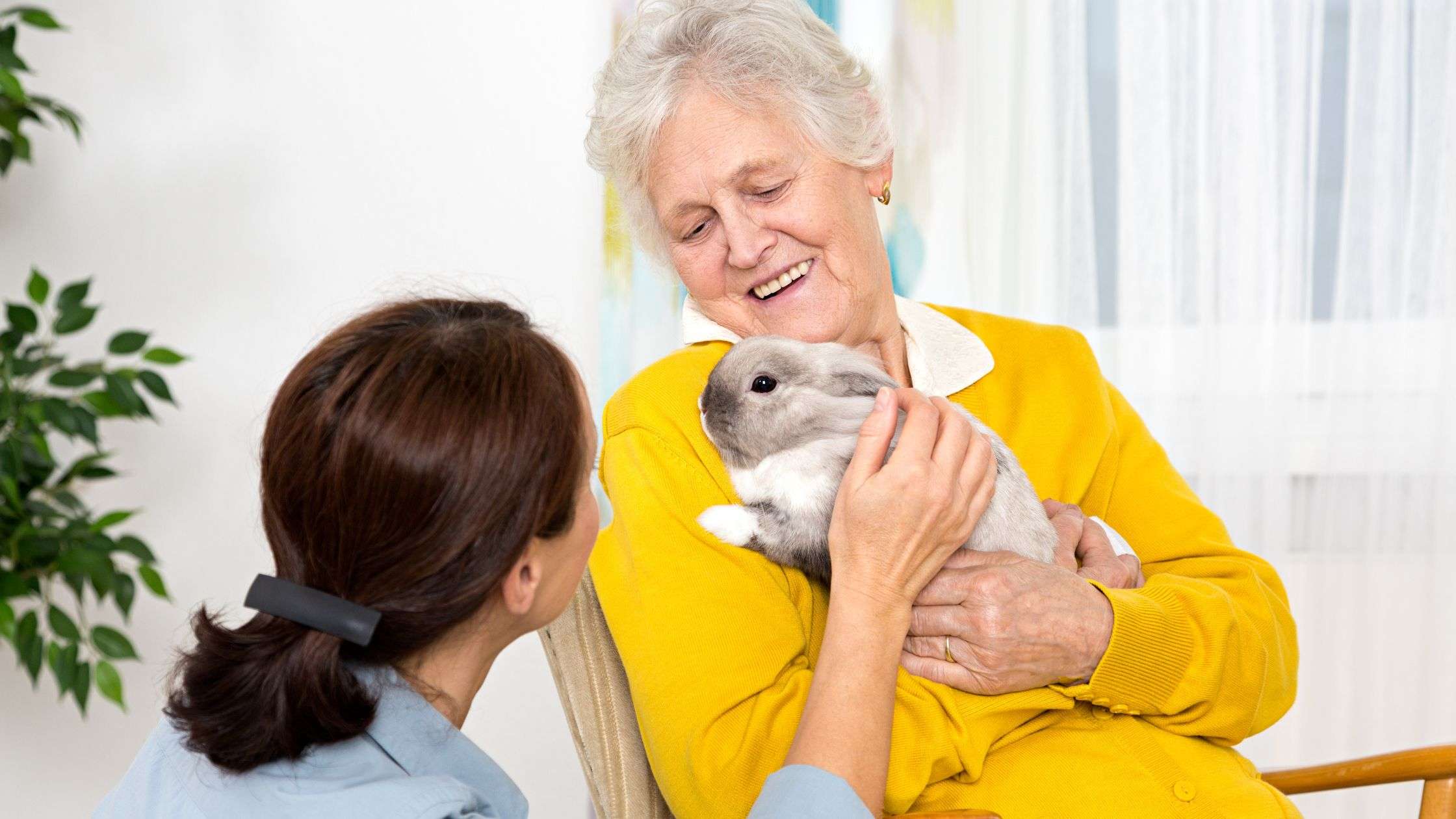
Pet Therapy at Home for Seniors: Choosing and Caring for Companion Animals in 2026
Aging can bring feelings of isolation for many seniors, particularly those living alone or adjusting to life changes. The quiet routine reduced social interactions, and a sense of loss can weigh heavily. However, introducing a companion animal, whether a gentle dog, a purring cat, or even a soothing robotic pet, can restore warmth, purpose, and connection. Families often report that these simple bonds lead to brighter days and renewed energy for their loved ones.
Pet therapy at home, also known as animal-assisted therapy, involves incorporating animals into daily life to support emotional, physical, and mental well-being. It requires no specialized facilities and can be tailored to any home environment. This guide explores the benefits, selection process, care strategies, potential challenges, and practical steps forward, ideal for seniors aging in place across New Jersey and beyond.
Quick Answers: Fast Facts on Pet Therapy for Seniors at Home
- What is pet therapy for seniors? It uses live animals, robotic pets, or therapy visits to enhance mood, health, and daily routines directly at home.
- Top benefits of pet therapy for older adults? It alleviates loneliness, reduces blood pressure, elevates mood, promotes light activity, and supports cognitive health, especially in cases of dementia.
- Best companion animals for seniors with mobility issues? Low-maintenance choices like cats, fish, birds, or robotic pets are easier to manage, often with caregiver assistance.
- Is pet therapy safe for elderly individuals living alone? Yes, when properly matched to capabilities, beginning with therapy visits and incorporating family or local New Jersey services ensures safety.
- Where to find pet therapy in New Jersey? Organizations such as the Animal Welfare Association, Caregiver Canines, or Bright & Beautiful Therapy Dogs provide visits and senior-friendly adoptions.
Why Pet Therapy Helps Seniors Thrive at Home
Companion animals provide more than mere presence; they deliver tangible, evidence-based advantages that enhance quality of life.
Emotional Benefits
- They combat loneliness and depression through unwavering companionship.
- Interactions lower stress hormones like cortisol while increasing serotonin, fostering a sense of calm and happiness.
- Daily care routines instill purpose, helping seniors feel needed and valued.
Physical Health Perks
- Time with pets can decrease blood pressure and improve cardiovascular health.
- Simple activities, such as walking or playing, encourage gentle movement and maintain mobility.
- This support is particularly beneficial during recovery from surgery or while managing chronic conditions like heart failure.
Mental and Cognitive Boosts
- Pets stimulate memory recall and encourage communication, aiding those with dementia or Alzheimer’s.
- Calming engagements reduce agitation and sharpen focus.
- Overall, these interactions promote mental well-being, potentially reducing reliance on medications for anxiety or insomnia.
Research consistently demonstrates these outcomes are amplified in familiar home settings, where pets integrate seamlessly as family members.
Best Companion Animals for Seniors: Quick Comparison
Selecting an appropriate pet hinges on factors like energy levels, living space, allergies, and physical abilities. The following table offers a clear overview of popular options.
| Pet Type | Pros | Cons | Best For | Maintenance Level | Cost Estimate (Annual) |
| Dogs | Loyal, encourages walks, emotional support | Needs exercise, training, more care | Active seniors | High | $500–$1,500 |
| Cats | Affectionate, low-energy, lap cuddles | Litter box, possible allergies | Calm, homebound seniors | Medium | $300–$800 |
| Fish/Aquarium | Soothing visuals, no direct handling | Tank cleaning, setup cost | Low-interaction needs | Low | $200–$600 |
| Birds | Chatty, entertaining sounds | Noisy, cage cleaning | Seniors who enjoy watching/listening | Medium | $200–$500 |
| Robotic Pets | No allergies, mess, or vet bills | Less “real” feel | Allergies, limited mobility | Very Low | $100–$400 (one-time) |
For those unsure, many New Jersey programs facilitate introductory therapy visits prior to adoption.
Step-by-Step: Getting Started with Pet Therapy at Home
Implementing pet therapy requires thoughtful preparation to ensure a positive experience.
- Assess Needs Evaluate mobility, allergies, available space, and daily energy. Consult a physician or veterinarian for personalized advice.
- Try Before Committing Arrange a therapy animal visit via local New Jersey organizations, such as Caregiver Canines or the Animal Welfare Association.
- Select the Pet Align choices with lifestyle preferences—refer to the comparison table for guidance. Explore senior-friendly adoptions from shelters.
- Prepare the Home Install non-slip mats, pet gates, and designated safe areas. Gather essentials like food, toys, and grooming supplies.
- Establish Routines Develop consistent schedules for feeding, play, and care. Engage family members or caregivers as needed.
- Monitor and Adjust Observe responses from both the senior and the pet. Make modifications based on health or seasonal changes.
Caring for Companion Animals: Simple Tips for Seniors and Caregivers
Effective care emphasizes simplicity and shared responsibility to avoid overwhelm.
- Daily Basics Maintain regular feeding times. Incorporate brief play or grooming sessions to strengthen bonds.
- Health and Safety Schedule routine veterinary check-ups, vaccinations, and parasite control. Utilize reminder apps for consistency.
- Home Adaptations Ensure non-slip flooring and accessible setups, such as elevated bowls or easy-reach litter boxes. Eliminate potential trip hazards.
- Team Effort Distribute tasks among family or caregivers—handling walks or cleanings prevents burden on the senior.
- Well-Being Check Monitor for signs of stress in the pet or senior. Adapt routines to accommodate evolving needs.
In New Jersey, support is readily available through groups like Bright & Beautiful Therapy Dogs, which offer expert guidance.
Common Challenges and Easy Solutions
While rewarding, pet therapy may present obstacles—addressing them proactively ensures success.
- Allergies or Health Risks → Opt for hypoallergenic breeds or non-living alternatives like robotic pets.
- Cost of Care → Plan budgets carefully; seek subsidies or low-cost veterinary clinics designed for seniors.
- Mobility Limits → Select low-energy animals; consider professional pet walkers for additional support.
- End-of-Life Planning → Develop a contingency plan with family for rehoming if care becomes unsustainable.
- Overwhelm → Begin with limited visits; gradually increase involvement to build confidence.
If challenges persist, transitioning to group therapy sessions or professional consultations can provide alternatives.
Key Takeaways
- Pet therapy enhances emotional, physical, and mental health for seniors in home environments.
- Choose pets based on lifestyle, active individuals may prefer dogs, while others benefit from cats, fish, or robotic alternatives.
- Initiate with therapy visits and leverage New Jersey resources for seamless integration.
- Maintain simple routines with collaborative support to sustain long-term benefits.
- Thoughtful planning minimizes challenges, maximizing the positive impact.
- Families are encouraged to consult local experts or veterinarians to begin this enriching journey.
This form of therapy fosters genuine warmth and purpose in later years, offering a compassionate path to improved well-being.
Reference Links:
- 7 Benefits of Animal-Assisted Therapy for Seniors – https://www.psychologytoday.com/us/blog/communication-success/202209/7-benefits-animal-assisted-therapy-seniors
- The Role of Animal-Assisted Therapy in Enhancing Patients’ Well-Being: Systematic Study of the Qualitative and Quantitative Evidence – https://pmc.ncbi.nlm.nih.gov/articles/PMC10986847
- The Benefits of Animal-Assisted Therapy: How Animals Help Improve Health and Well-Being – https://www.husson.edu/online/blog/2022/07/benefits-of-animal-assisted-therapy
- The Benefits of Pet Therapy for Seniors – https://jewishhome.org/news/benefits-of-pet-therapy-for-seniors
- Benefits of Pet Therapy for Seniors – https://eldercarealliance.org/blog/pet-therapy-for-seniors