
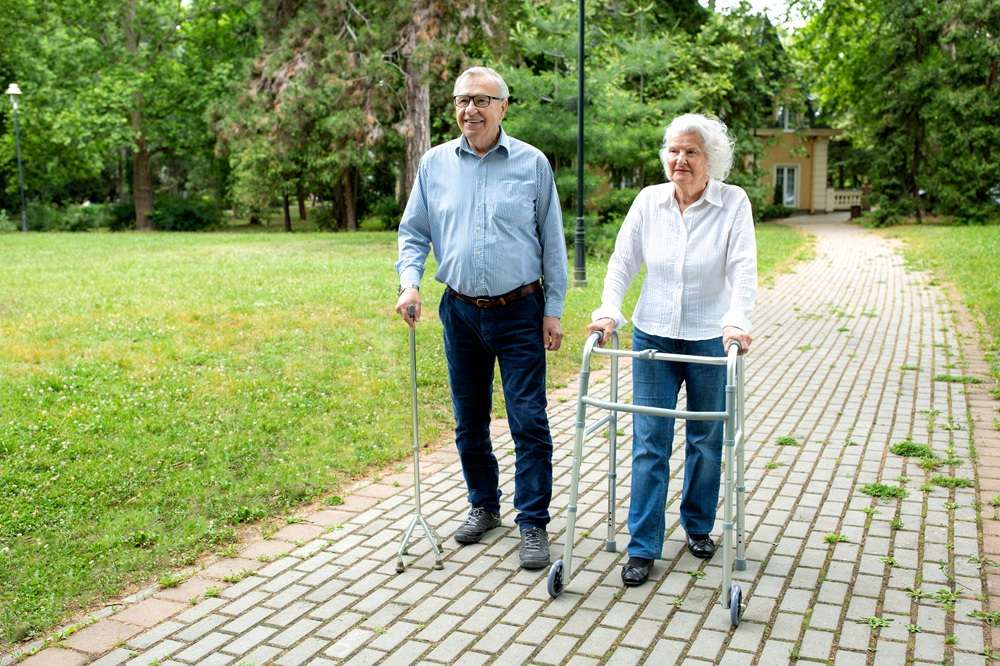
Mobility problems join the conversation quietly. At first, it may look like slower walking, more time getting out of a chair, or needing help in the bathroom once in a while. Then the pattern starts to spread. Simple tasks take longer. A parent begins avoiding certain rooms. Nighttime becomes harder than daytime. Families start by looking into in-home care services for the day, not realizing that the issue may span into the night. While looking for specialized care services, you may want to explore options for a loved one facing mobility problems and 24-hour care needs.
It is easy to miss that shift when it happens little by little. A loved one may still sound sharp on the phone. They may insist they are fine. Even so, daily life often tells a different story. Missed meals, awkward transfers, or a growing fear of walking alone can all point to the same problem. What used to feel manageable may no longer be safe.
The Small Changes That Usually Show Up First
One of the first signs is furniture walking. A loved one starts using counters, walls, or tables to steady themselves instead of moving freely. That may seem minor at first. Still, it often points to weaker balance, lower confidence, or both.
Another common sign is trouble with transfers. Getting up from bed, rising from a chair, or stepping into the shower can become slow and awkward. These moments are easy to overlook unless you see them often. Yet they are also some of the most common times for a fall to happen.
Fear can show up before a major fall does. Some people stop using the stairs unless someone is nearby. Others begin avoiding showers or trips outside. In many homes, mobility decline first appears as hesitation. A person starts moving less, not because they want more rest, but because they no longer feel steady.
When “Be Careful” Stops Being Enough
Families often respond with reminders at first. Slow down. Hold the rails. Call me if you need help. Those reminders may help for a while, but they do not fix a body that feels less stable than it used to.
Over time, the gap grows between what a person wants to do and what they can do safely on their own. That is when the problem shifts from inconvenience to real daily risk.
Everyday Routines Start Taking More Out of Someone
Mobility problems affect much more than walking. They often change the most private parts of the day first.
Bathing becomes harder when stepping over a tub wall feels unsafe. Dressing takes longer when bending, balancing, or lifting a leg becomes a strain. Toileting can turn into a serious issue when getting to the bathroom in time is no longer easy. Once these tasks start wearing someone down, personal care services may make everyday routines safer and much less stressful.
The kitchen can become risky, too. Standing for too long, reaching into cabinets, or carrying a plate across the room may not sound like much. Yet, when strength and balance drop, those motions can wear someone out fast or put them at risk of falling. As a result, some older adults start eating less simply because making a meal feels like too much work.
Doorways, steps, and uneven floors add another layer. A person might still manage them, but not without pain, delay, or worry. In many homes, the space itself starts to feel harder to move through. From that point, comfort is not the main issue anymore. Safety is.
The Home Can Start Feeling Bigger Than It Is
Families often notice this in subtle ways. A parent begins staying in one room more often. Laundry piles up because the basement stairs feel too risky. Basic tasks get delayed because moving now takes more effort than before.
That is usually when loved ones begin to understand how much mobility loss can shrink a person’s day.
Nights Are Often the Breaking Point
Nighttime is where many families see the full picture.
Bathroom trips after dark can be especially dangerous. The room is dim. The person is groggy. Their legs may feel weaker after lying down. In that moment, even a short walk across the bedroom can turn into a fall risk.
Bed transfers matter too. Getting comfortable, changing position, or standing up from bed may suddenly need hands-on help. For family caregivers, this is often where exhaustion starts building. Broken sleep becomes part of the routine. One person begins listening for movement all night, just in case a loved one needs help.
It’s harder to notice falls at night; this makes things harder. During the day, someone may be nearby or planning to check in. At night, a person could be alone on the floor much longer. That is why mobility problems and 24-hour care so often end up in the same conversation. Daytime help may cover meals, errands, or a shower. That does not solve what happens at 2 a.m.
Why Nighttime Changes the Conversation
A family can often absorb daytime needs longer than overnight ones. Someone may stop by before work. Another relative may help in the evening. That patchwork may last for a while.
Nighttime is different. It asks for alertness when everyone is tired. It turns one bathroom trip into a safety concern for the whole house. Once sleep starts falling apart for the caregiver too, nights stop being sustainable.
Mobility Aids Help, They Do Not Solve Everything
Walkers, canes, and grab bars can make a real difference. They support balance. They reduce strain. They help people stay active longer. Even so, they cannot do everything.
A walker cannot help someone stand up after sliding down in a chair. Grab bars cannot judge when a person is moving too fast or feeling dizzy. Equipment supports movement, but it does not replace supervision or hands-on help. Safe movement depends on routine. Even with the right walker or cane, when looking for extra help at home you may want to know how mobility aids and home care work together.
Check-ins also have limits. A visit in the morning may help with breakfast and medication. Another stops later in the day may cover dinner. Still, mobility trouble does not stay neat inside a schedule. It shows up when someone rushes to the bathroom, tries to stand too quick, or forgets that their legs are not as steady as they used to be.
Support Needs to Match Real Life
A lot of families hit the same wall here. They have some help in place, but not at the times when help is actually needed most. The plan sounds workable on paper, but daily life keeps exposing the gaps.
This is usually the moment a family takes an honest look at the pattern instead of the intention.
How Families Know the Care Plan Has Changed
The shift usually becomes clear when someone needs help across several parts of the day. It may begin with bathing and transfers. Then it spreads to toileting, meals, supervision, and nighttime support. At that point, the issue is no longer whether extra help would be nice. The question is whether the current setup is enough to keep someone safe.
A loved one may need more support when they cannot get up safely without help. Or when near falls are becoming common. When no one in the home is getting proper rest because someone always needs to be watched. Sometimes the person is not falling yet, but they are close often enough that the risk is obvious.
This is also where families start seeing how mobility decline affects the whole home. One person handles transfers. Another person covers meals. Someone else starts managing laundry, reminders, or cleanup. As movement gets harder, the strain often spreads well beyond walking alone. This is why conversations about senior health concerns and risks often overlap with the need for more consistent support at home.
What to Look at Before a Crisis Forces the Issue
Start with the times of day that feel the least steady. For some families, that is shower time. For others, it is bedtime, stairs, or getting to the bathroom at night. Once you know where the biggest problems are, it becomes easier to see what kind of help is missing.
From there, focus on the tasks most likely to lead to injury or burnout. Transfers, hygiene, and nighttime safety usually deserve attention first. That does not mean every family needs the same level of care right away. It does mean the plan should match what is actually happening at home.
Many families begin by adding in-home care services. For mobility, hygiene, meals, and medication routines. This is a great option. It can make sense to implement this type of care before major warning signs. Even to get that first layer of help in place can take pressure off the whole house. It also gives families a clearer picture of what is still missing.
Do not wait for a serious fall to force the conversation. It is easier to talk about getting help when everyone is calm, rather than after an emergency. One bad day does not usually make the decision on its own. It is the pattern behind it that matters. When those patterns point to growing risk, it is time to respond.
FAQ
What are the first signs that mobility problems are becoming dangerous at home?
Common early signs include holding onto furniture, struggling to stand up, moving slower, or avoiding stairs and showers. Near-falls and unexplained bruises may also be a sign.
Can a walker or cane be enough without a caregiver?
Not always. Mobility aids can improve stability, but they do not provide supervision or hands-on help with transfers, toileting, or nighttime movement.
When do mobility problems turn into 24-hour care needs?
This usually happens when someone needs help throughout the day and night. This is especially true for transfers, bathing, bathroom trips, fall prevention, and safety.
Why are nighttime mobility issues such a big warning sign?
Nighttime increases the risk of falls because people are tired, less steady, and moving in lower light. Families also tend to notice caregiver exhaustion first during this stage.
The Bottom Line
Mobility decline rarely stays limited to walking. It often spreads into bathing, toileting, transfers, meals, and nighttime safety. This happens before families fully see how much has changed. When support is needed across the day and night, mobility problems and 24-hour care become part of the same conversation. The next step is to look closely at where the biggest risks are showing up and build support around those moments.