
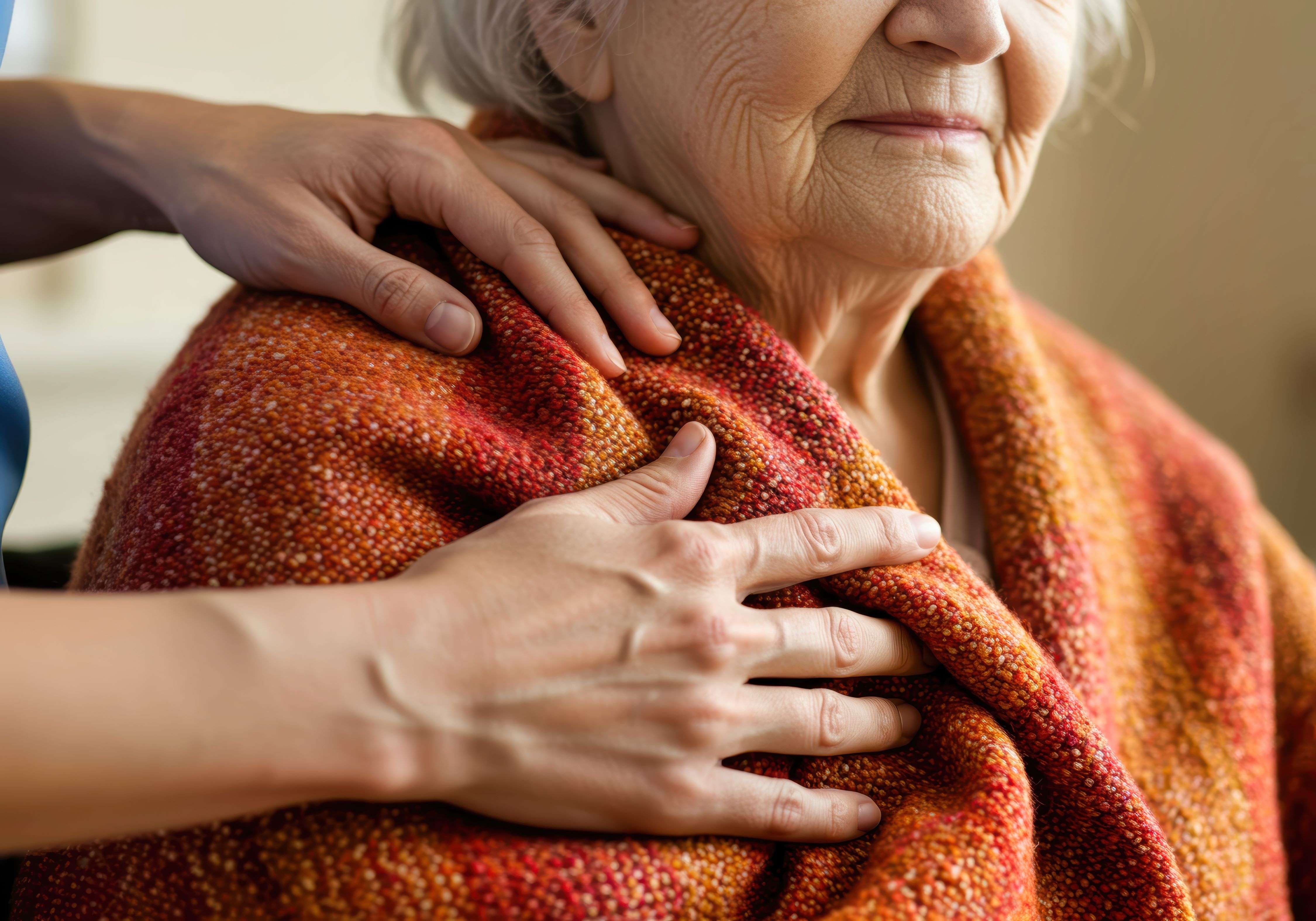
How Home Caregivers Can Help Seniors During the Winter
Winter brings cozy moments like warm drinks, holiday lights, and quiet snowy mornings. But for many older adults, it also brings real challenges that can threaten safety, health, and independence. Slippery sidewalks, freezing temperatures, shorter daylight hours, and seasonal isolation can turn a routine day into a risky one.
A home caregiver can help seniors stay comfortable and confident through this season. From preventing falls to supporting mental wellness and handling cold weather errands, elder caregivers offer the kind of daily support that helps older adults remain safe in their own homes all winter long.
Whether your family is looking for home care in Pottstown, PA, home care in Collegeville, PA, home care in Phoenixville, PA, or home care in Royersford, PA, or exploring options like home care in Princeton, NJ, and nearby towns, winter caregiving is one of the most valuable reasons to bring in extra help. Here’s how in home support makes a difference.
Why Winter Can Be Risky for Seniors
Older bodies respond to cold and instability differently than younger ones. Many seniors have health conditions that are harder to manage in winter, including arthritis, heart disease, respiratory issues, diabetes, and mobility limitations. Cold temperatures can worsen pain or stiffness, and icy weather increases fall risk inside and outside the home.
Winter can also quietly affect emotional health. When days get darker and going out feels stressful, seniors may see fewer people, move less, and feel isolated. Over time, this can contribute to loneliness or seasonal depression.
Home caregiving works best when it tackles all of these issues together. Physical safety, practical support, and emotional wellbeing are linked, and winter magnifies that link.
1) Fall Prevention and Home Safety
Falls are one of the biggest winter dangers for older adults. Ice and snow outside are obvious, but indoor hazards increase too because of wet floors, heavy clothing, and reduced lighting.
A home caregiver helps reduce risk in several ways:
Keeping walkways and entrances safe
Caregivers can clear snow, salt or sand icy paths, and make sure steps and ramps do not become slip zones. If the senior lives with family, caregivers can still remind household members to keep the path treated consistently.
Managing wet entry areas
When winter weather is active, water gets tracked in quickly. A caregiver can:
- place absorbent mats at entrances
- wipe up puddles right away
- store boots and umbrellas neatly
- keep hallways and doorways uncluttered
Improving lighting
Short, darker days mean seniors rely on indoor lighting more often. Caregivers can help install or recommend:
- nightlights for bedrooms and bathrooms
- motion sensor lights in hallways
- brighter bulbs in key rooms
Better lighting is a simple way to prevent nighttime falls.
Spotting indoor trip hazards early
Loose rugs, cords, crowded furniture, and slippery bathroom floors can become more dangerous in winter. Caregivers notice patterns, like a senior hesitating in certain spots or reaching for walls for balance. Catching these changes early prevents falls later.
2) Warmth, Comfort, and Cold Safety
Staying warm is not only about comfort. For seniors, cold can trigger real medical danger. Indoor temperatures that feel “fine” to a younger person may be unsafe for an older adult, especially if they have circulation issues or reduced temperature awareness.
Home caregivers support winter warmth by:
Monitoring home heating
Caregivers check that:
- thermostats are working and set to safe levels
- vents are clear and not blocked by furniture
- space heaters are used safely and away from flammable items
- windows and doors are sealed to reduce drafts
Even small adjustments help keep temperatures stable.
Encouraging warm clothing and layers
Seniors do not always feel cold right away. A caregiver can remind them to:
- wear layered tops
- use warm socks and slippers with good grip
- keep a sweater handy indoors
- use blankets while sitting
Watching for warning signs of cold related illness
A caregiver can recognize early signs of hypothermia or frostbite, such as:
- shivering or unusual tiredness
- confusion or slurred speech
- clumsiness or slowed reactions
- pale or numb skin
Early recognition prevents emergency situations.
3) Preparing for Winter Storms and Power Outages
Winter emergencies are stressful, especially for seniors who take daily medications or rely on mobility aids. Preparing early lowers risk and anxiety.
Home caregivers help by:
Keeping supplies stocked
Before storms, caregivers can ensure the home has:
- non perishable food
- bottled water
- batteries and flashlights
- blankets and extra warm clothing
- shelf stable snacks
- pet supplies if needed
Managing medication supply
Caregivers remind seniors to refill prescriptions early. A few extra days of medication can prevent a big problem if roads become unsafe.
Creating a clear emergency plan
Caregivers can help families establish:
- a visible list of emergency contacts
- a plan for who checks in and when
- a safe heating backup plan
- a charged phone and easy access to chargers
Many seniors feel calmer just knowing a plan exists.
4) Errands and Transportation Without Winter Risk
One of the biggest practical benefits of home caregiving in winter is that seniors do not have to go out into dangerous conditions unless they want to.
Home caregivers can handle high risk errands such as:
- grocery shopping
- pharmacy pick ups
- household supply trips
- post office runs
- banking errands
- helping set up online bill payment or autopay
This support is especially important for families searching locally for services like home care in Pottstown, PA, home care in Spring City, PA, home care in Ewing, NJ, or home care in Hopewell, NJ, where winter weather can change quickly and sidewalks may not be cleared right away. It is also a major reason families explore local home care services and those in surrounding communities during cold months.
When seniors stay indoors, they reduce exposure to ice, frigid wind, and crowded stores that increase fall and illness risk.
5) Companionship and Seasonal Mental Health Support
Winter isolation can sneak up on people. Seniors may stop attending activities because they worry about slipping. Friends and family may visit less often due to weather. The result can be long quiet stretches, which can fuel loneliness or seasonal depression.
Home caregivers help protect emotional wellbeing through:
Daily light exposure
Caregivers can open curtains early, keep rooms bright, and encourage time near windows. Light supports mood and circadian rhythm.
Movement routines
Even short activity boosts energy and reduces stiffness. A caregiver might guide:
- chair stretches
- hallway walks
- gentle yoga or tai chi
- light resistance band work
- dancing to favorite music
Regular movement is one of the simplest winter mood supports.
Social connection
Caregivers can help seniors:
- schedule regular family calls
- set up video chats
- write holiday cards or emails
- plan safe visits with neighbors or friends
- attend indoor gatherings on clear days
Having predictable contact prevents emotional decline.
Indoor engagement
Winter often makes days feel repetitive. Caregivers can bring structure and fun by doing activities together:
- puzzles and board games
- baking simple recipes
- watching favorite films
- organizing photo albums
- crafts or simple hobbies
This keeps the home feeling lively.
6) Nutrition, Hydration, and Routine for Strong Winter Wellness
Seniors often drink less water in cold weather without realizing it, and dehydration can worsen fatigue, dizziness, and confusion. Appetite also fluctuates in winter, especially if people feel down or less active.
Home caregivers assist by:
- preparing warm, balanced meals
- offering regular warm drinks like tea, water, or broth
- shopping for healthy foods that fit dietary needs
- noticing appetite or weight changes early
They also maintain daily rhythm. Seniors do better in winter when they have predictable wake times, meal times, medication schedules, and daily activities. Routine creates stability when the world outside feels less stable.
Specialized Winter Support for Dementia Care
For seniors living with Alzheimer’s or other dementias, winter can be especially disorienting. Changes in daylight, routine disruptions, and fewer outdoor activities can increase confusion or agitation.
Families looking for dementia care in Princeton, NJ, or other specialized memory care services often prioritize winter readiness because consistency matters. A trained home caregiver can provide:
- steady routines
- calm reassurance during storms
- safe indoor stimulation
- close monitoring for wandering risk
- emotional grounding through familiar activities
This can reduce stress for both seniors and family caregivers.
What to Look for in a Winter Ready Home Care Plan
If your family is comparing services and searching for home care “near me,” ask agencies what they do specifically in winter. A strong plan should include:
- Home safety checks and fall prevention steps
- Heating support and cold illness awareness
- Storm and outage preparedness
- Errand and transportation coverage
- Depression and isolation prevention
- Nutrition and hydration routines
- Clear caregiver to family communication
Winter caregiving works best when it is proactive. Preparing ahead means fewer emergencies later.
Winter Can Still Be a Season of Independence
Older adults do not need to lose freedom in winter. With the right support, they can stay confident, safe, and engaged at home.
A home caregiver provides more than household help. They protect mobility, reduce fall risk, maintain warmth, handle risky errands, and keep seniors socially and emotionally connected through the coldest months of the year.
If you are exploring options for a loved one, especially in areas like Pottstown, Collegeville, Phoenixville, Royersford, Princeton, or nearby regions, winter is a smart time to start. The right caregiver helps seniors not just get through winter, but live well in it.
Sources:
- How Family Caregivers Can Keep Loved Ones Safe in Winter – AARP
- Supporting Seniors Through the Season: A Winter Guide for Caregivers – Life Circles
- Winter Wellness for Older Adults: How Home Care Helps – Homewatch CareGivers of Silver Spring