
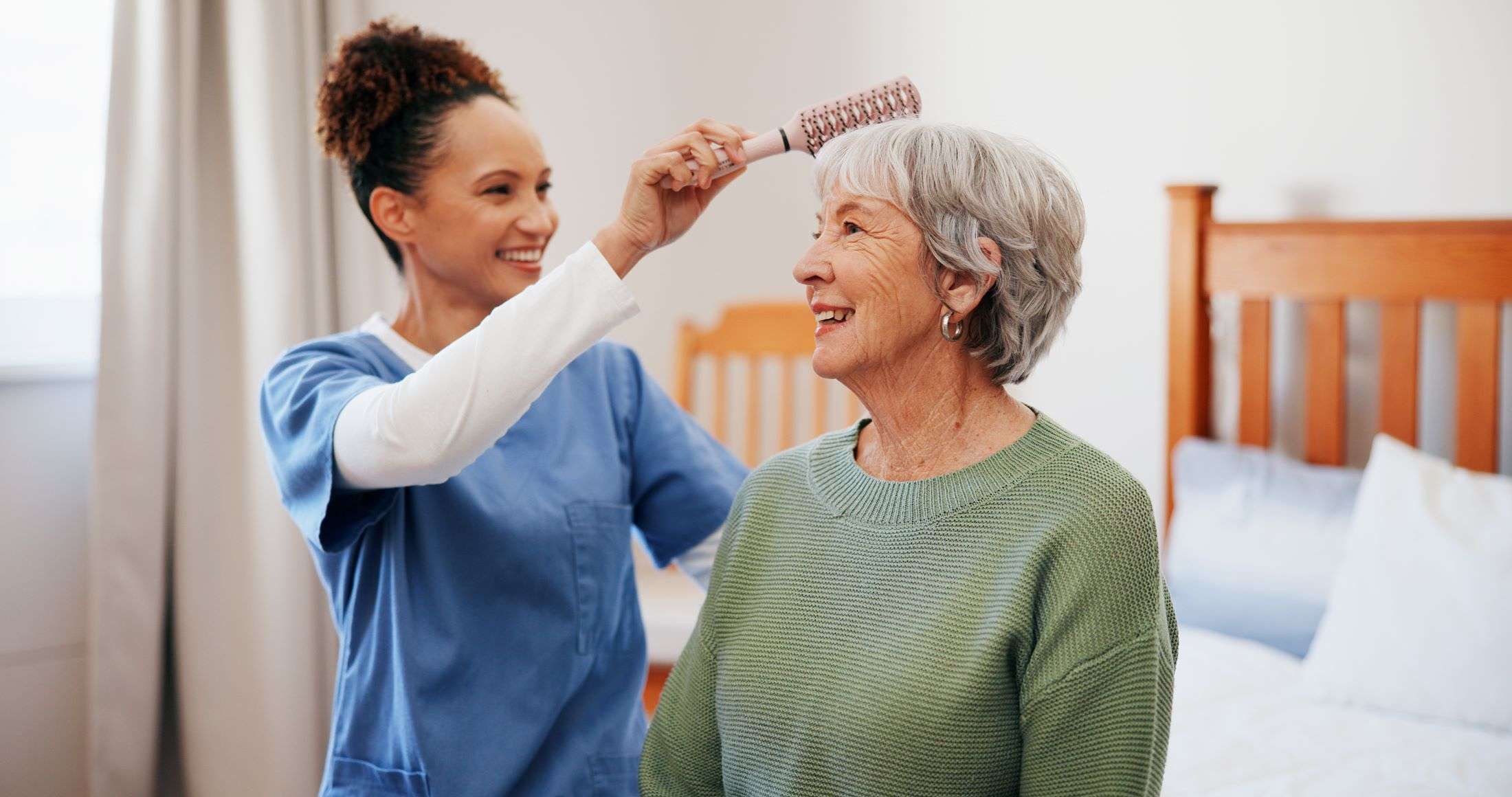
Chronic pain is one of the most common and complex health challenges affecting older adults. In communities across New Jersey, families are searching for practical solutions that allow aging loved ones to remain at home while managing persistent discomfort. Whether someone is exploring home care in Hackensack, NJ, home care in Wayne, NJ, or home care in Princeton, NJ, the goal is often the same: improve quality of life without sacrificing independence.
Chronic pain does not simply cause physical discomfort. It can interfere with mobility, sleep, mood, and daily routines. Over time, it may lead to isolation, reduced activity, and increased fall risk. Professional in-home care services offer structured, compassionate support that helps seniors manage these challenges safely and effectively.
This guide explains how home care helps seniors cope with chronic pain, what services are most beneficial, and why remaining at home can be a powerful part of pain management.
Understanding Chronic Pain in Older Adults
Chronic pain is typically defined as pain lasting longer than three months. Unlike acute pain, which signals immediate injury, chronic pain can persist even after the initial cause has healed.
Common causes of chronic pain in seniors include:
- Osteoarthritis and rheumatoid arthritis
- Degenerative disc disease
- Sciatica and nerve compression
- Diabetic neuropathy
- Fibromyalgia
- Past injuries
- Post surgical complications
- Cardiovascular conditions
In New Jersey, many older adults live with multiple chronic conditions at once. This increases the complexity of care and often requires a coordinated approach that includes medical oversight and daily living support.
The Impact of Chronic Pain on Daily Life
Chronic pain affects more than the body. It influences nearly every aspect of daily living.
Physical Effects
- Limited range of motion
- Muscle weakness due to inactivity
- Fatigue
- Balance instability
- Increased fall risk
Emotional and Psychological Effects
- Irritability
- Anxiety
- Depression
- Social withdrawal
- Sleep disturbances
When pain makes everyday tasks more difficult, seniors may begin skipping activities such as bathing, cooking, or leaving the house. This can accelerate physical decline and reduce overall wellbeing.
That is where structured home care becomes essential.
How Home Care Helps Seniors Manage Chronic Pain
Professional caregivers provide non-medical assistance that directly reduces strain and supports safe living at home. Families researching home care in Wayne NJ or nearby communities often find that personalized in home support significantly improves comfort and stability.
Below are key ways home care services make a difference.
1. Assistance with Activities of Daily Living
Daily routines can become physically exhausting when joints ache or nerves are inflamed. Caregivers assist with:
- Bathing and personal hygiene
- Dressing and grooming
- Toileting support
- Meal preparation
- Light housekeeping
- Laundry and linen changes
Reducing the physical demand of these tasks prevents overexertion and pain flare ups. Seniors conserve energy for meaningful activities rather than struggling through basic chores.
For families seeking home care in Hackensack, NJ, help with daily living tasks is often the first step in stabilizing chronic pain management at home.
2. Mobility Support and Fall Prevention
Chronic pain frequently interferes with balance and walking. Stiff joints, neuropathy, or muscle weakness can increase fall risk.
In home caregivers provide:
- Stand by assistance while walking
- Support during transfers from bed to chair
- Supervision on stairs
- Home safety assessments to identify hazards
- Assistance using mobility aids
Falls can cause serious injuries that intensify pain and lead to hospitalization. Preventative mobility support protects both safety and independence.
Families exploring home care in Princeton, NJ, often prioritize fall prevention when selecting a provider.
3. Support After Surgery
Surgical procedures such as joint replacement or spinal surgery can temporarily increase pain levels during recovery. Post surgical in-home care ensures that healing occurs in a structured and safe environment.
Services may include:
- Assistance with limited movement
- Support during bathing and dressing
- Medication reminders
- Transportation to follow up appointments
- Monitoring for changes in comfort or mobility
Recovering at home can reduce stress, which is closely tied to pain perception. Familiar surroundings promote emotional stability during physically demanding recovery periods.
4. Medication Reminders and Care Coordination
Chronic pain often requires multiple medications taken on a specific schedule. Missed doses or confusion about timing can worsen symptoms.
Caregivers provide:
- Timely medication reminders
- Observation of side effects
- Communication with family members
- Documentation of noticeable changes
While caregivers do not administer medication unless licensed to do so, structured reminders support consistency and reduce avoidable complications.
5. Encouraging Safe Physical Activity
Although rest is sometimes necessary, complete inactivity can increase stiffness and discomfort. Gentle movement supports circulation, flexibility, and joint health.
Caregivers may assist with:
- Short supervised walks
- Light stretching
- Range of motion exercises
- Participation in hobbies involving mild activity
Maintaining a safe level of movement helps break the cycle of pain leading to inactivity, which then worsens pain.
Residents considering home care in Wayne, NJ, often benefit from caregivers who encourage safe daily activity without pushing beyond physical limits.
6. Emotional Support and Companionship
Pain can be isolating. Many seniors withdraw socially because discomfort makes outings feel overwhelming.
Companion care provides:
- Conversation and engagement
- Support with hobbies
- Encouragement to attend community events
- Emotional reassurance
Mental health plays a significant role in pain perception. Seniors who feel supported and connected often cope more effectively with chronic discomfort.
Why Home Care Is an Effective Option for Chronic Pain
For many families in New Jersey, the decision between assisted living and in-home care depends on the level of support needed. When chronic pain is the primary concern, remaining at home often offers important advantages.
Familiar Environment
Being surrounded by personal belongings and memories reduces stress and promotes emotional comfort.
Individualized Attention
Unlike residential facilities, home care provides one on one support tailored to the individual.
Flexible Scheduling
Care plans can range from a few hours per week to full-time assistance.
Greater Family Involvement
Loved ones remain closely involved in routines and care decisions.
Whether evaluating home care in Hackensack, NJ, home care in Princeton, NJ, or services in surrounding communities, flexibility and personalization are key benefits.
When to Consider Home Care for Chronic Pain
Families may notice signs that additional support is needed. Warning indicators include:
- Increased difficulty with bathing or dressing
- Frequent falls or near falls
- Skipped meals due to discomfort
- Missed medical appointments
- Mood changes or isolation
- Worsening mobility
Early intervention can prevent complications and help seniors maintain independence longer.
Choosing the Right Home Care Provider in New Jersey
Selecting a home care agency requires careful evaluation. Consider the following factors:
- Caregiver screening and background checks
- Experience with chronic conditions
- Customized care planning
- Communication with families
- Transparent pricing
- Positive local reputation
Whether searching for home care in Wayne, NJ, or home care in Hamilton, NJ, families should prioritize providers who offer personalized assessments rather than generic service packages.
Frequently Asked Questions About Home Care and Chronic Pain
Can home care cure chronic pain?
Home care does not cure underlying medical conditions. However, it significantly improves daily comfort by reducing strain, supporting medication adherence, and encouraging safe activity.
How many hours of care are needed?
The required schedule depends on the individual’s needs. Some seniors benefit from a few hours weekly, while others require daily support.
Is home care only for seniors?
No. Adults of any age living with chronic pain can benefit from in-home support.
Supporting Comfort, Safety, and Independence
Chronic pain does not have to eliminate independence. With structured assistance, seniors can continue living in the comfort of their own homes while receiving the support they need.
Families exploring home care in Hackensack, NJ, home care in Wayne, NJ, or home care in Princeton, NJ, are often seeking peace of mind as much as practical help. The right caregiver can reduce physical strain, promote mobility, and offer meaningful companionship.
As New Jersey’s senior population continues to grow, personalized in home care services remain one of the most effective ways to manage chronic pain while preserving dignity and quality of life.
If your loved one is struggling with persistent pain, consider whether professional home care could provide the balance of safety, comfort, and independence they deserve.