
Surviving Spouse VA Benefits: What May Be Covered for Care at Home in Bergen County, NJ
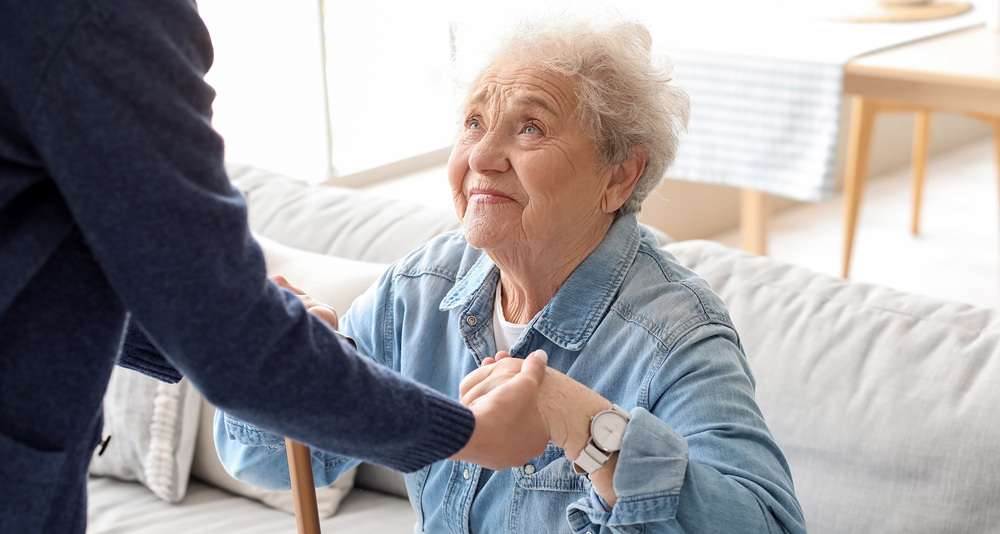
A woman whose husband served in Korea is already getting help with her morning routine from her daughter before work. Nobody has called it caregiving yet. The daughter just started coming by. She has probably been at it for a few weeks before anyone thinks to ask whether the VA has anything for this.
Can a Surviving Spouse Qualify for Aid and Attendance?
In some cases, yes, though the answer is a little deeper than that. Surviving spouse VA benefits like Aid and Attendance do not stand alone. Survivors Pension has to come first. Aid and Attendance adds a monthly amount on top of an existing pension when the daily-care need qualifies.
Without the pension already in place, the Aid and Attendance question cannot move forward. The VA also offers Housebound for people who cannot regularly leave home because of a permanent disability, but pays only one or the other, not both.
What Care at Home Looks Like Before Anyone Files
Someone may need help getting dressed, getting safely into the shower, remembering to eat, or staying steady moving through the house. In many of these households, that help is already coming from someone in the family who has not thought of it as formal care. They are just showing up normally.
If this sounds familiar, you may not even know what benefits you may be eligible for.
But, before filing anything, you may want to find out what veteran care at home actually involves. Some things it can include are daily living assistance, companionship, and VA benefits navigation that providers in this space typically offer.
Who Aid and Attendance Is Actually For
The VA says Aid and Attendance may apply when the person needs help with activities such as bathing, dressing, or feeding; spends a large part of the day in bed because of illness; lives in a nursing home due to disability-related loss of physical or mental ability; or has severe vision limitations.
The families with the strongest claims are usually the ones where someone is already doing those things: showing up in the morning to help her get ready, checking in at midday, making sure she eats. It’s an easy, explainable transition case to make, when going from family caregiver to professional.
What Surviving Spouse VA Benefits Actually Pay
Aid and Attendance layers on top of Survivors Pension, and the pension side has its own eligibility review that has nothing to do with care need. Income, assets, and net worth all get reviewed before in-home care even becomes part of the conversation.
Families who treat that review as a formality sometimes get through the whole application and then find out that a financial detail requires them to refile from the beginning.
2026 Rate Figures
For 2026, the VA set the Maximum Annual Pension Rate for a surviving spouse with no dependent child who qualifies for Aid and Attendance at roughly $18,679 per year, or about $1,556 per month. A surviving spouse with one dependent child who qualifies can receive up to $22,304 per year, according to VA.gov. The net worth limit for this benefit year is $163,699.
Monthly payments vary because the VA subtracts countable income from the MAPR and pays the remainder. Unreimbursed medical expenses, including home care costs, can reduce countable income and push the monthly amount up.
Many families do not know what home care in Bergen County actually costs per month until they start calling providers. It might be helpful to look at what local Bergen County providers typically offer, which makes the benefit-to-cost comparison easier to run.
What to Pull Together Before Applying
A stronger claim starts with documents gathered before the pressure is on. This can include service and marriage records, household income and asset details, and even a doctor’s report. A surviving spouse’s VA benefits eligibility gets stronger when a claim clearly describes what that person can and cannot do on a daily basis.
This one report is where most claims either get traction or stall. A note that says someone “needs occasional help” gives the VA little to work with. A note that says someone cannot safely bathe or dress without hands-on assistance each morning is something the VA can actually evaluate.
The detail difference between these claims can determine whether it moves forward in the first review, or if it sits waiting for additional evidence. If you want your claim to be productive, make sure you are overly prepared.
When the Daughter Stops Being Able to Do It All
Imagine these scenarios: a daughter may be coming over before work, a son may be handling grocery runs and medication pickups, a relative may be the emotional anchor for everyone else. When their lives start to look less like occasional help and more like a second job, we’ve moved past what family can hold together by itself.
At that point, families are not looking to hand care off entirely. They need someone to cover the hours the family cannot. Finding elder care services in Bergen County can help cover that partial support: the morning routine, the afternoon gaps, the companionship that keeps a day from feeling empty. It keeps the household from running on what the family cannot keep giving.
Three Filing Mistakes Worth Avoiding
Assuming any care need qualifies automatically is the one that costs families the most time. The care need has to meet specific VA criteria, and Survivors Pension has to be in place first. Families who skip steps and file for Aid and Attendance directly find out the hard way during processing that a claim can’t move forward.
The second mistake is submitting a doctor’s report that summarizes rather than specifies. Vague medical documentation slows claims down. The VA needs a clear account of what someone cannot do independently, not a general note about needing support.
The third tends to come up later. Treating a pension income review as something to sort out after a claim is made creates unnecessary problems. The asset and net worth calculation is all part of the process. When something is missing on the financial side, you’ll have to refile the entire claim, not just correct one section.
FAQ
Can a surviving spouse use Aid and Attendance for care at home?
Yes, in some cases. Qualified survivors who receive Survivors Pension may add Aid and Attendance as a monthly amount when they meet the VA’s daily-care criteria. The care need has to be documented clearly, and Survivors Pension has to be in place first.
Does Survivors Pension have to come first?
Yes, and it’s something people often miss. The VA does not pay Aid and Attendance as a standalone benefit. Survivors Pension has to be established first, which means the income and asset review happens before the care-need review, not after.
What documents should a family pull together before applying?
Service and marriage records, household income and asset details, and a doctor’s report that describes specific daily limitations. The report does the most work when it names what she cannot do independently. A note that says she needs help is not the same as a note that says she cannot bathe or dress without assistance each morning.
Can a surviving spouse receive Housebound instead of Aid and Attendance?
Possibly. Housebound benefits may apply when a person already receives Survivors Pension and cannot regularly leave home because of a permanent disability. The VA does not pay both Housebound and Aid and Attendance at the same time, so families should confirm which one fits before applying.
What happens when care needs go beyond daytime visits?
If you’re reaching a point where overnight safety of a loved one becomes the real concern, your mindset can shift from how many hours a week can I be there, to whether anyone is there at night. 24-hour home care can help with a lot of that anxiety. It’s worth doing research before assuming a facility is the only answer. Benefit funds, when available, can offset costs, which can help you find an answer that suits your family.
Before the Claim Gets Filed
Aid and Attendance layers on top of Survivors Pension, responds to specific care criteria, and requires documentation the VA can use to make a decision. The families who move through the process without restarting treat the pension income review as seriously as the care documentation. They get a doctor’s report that names specific limitations rather than general need. They file with the weekly routine already written down.
Claims that stall almost always have a gap in one of those three places. Knowing which one before filing saves the most time.
Sources
Current Survivors Pension benefit rates – VA.gov
Survivors Pension eligibility and Aid and Attendance – VA.gov