
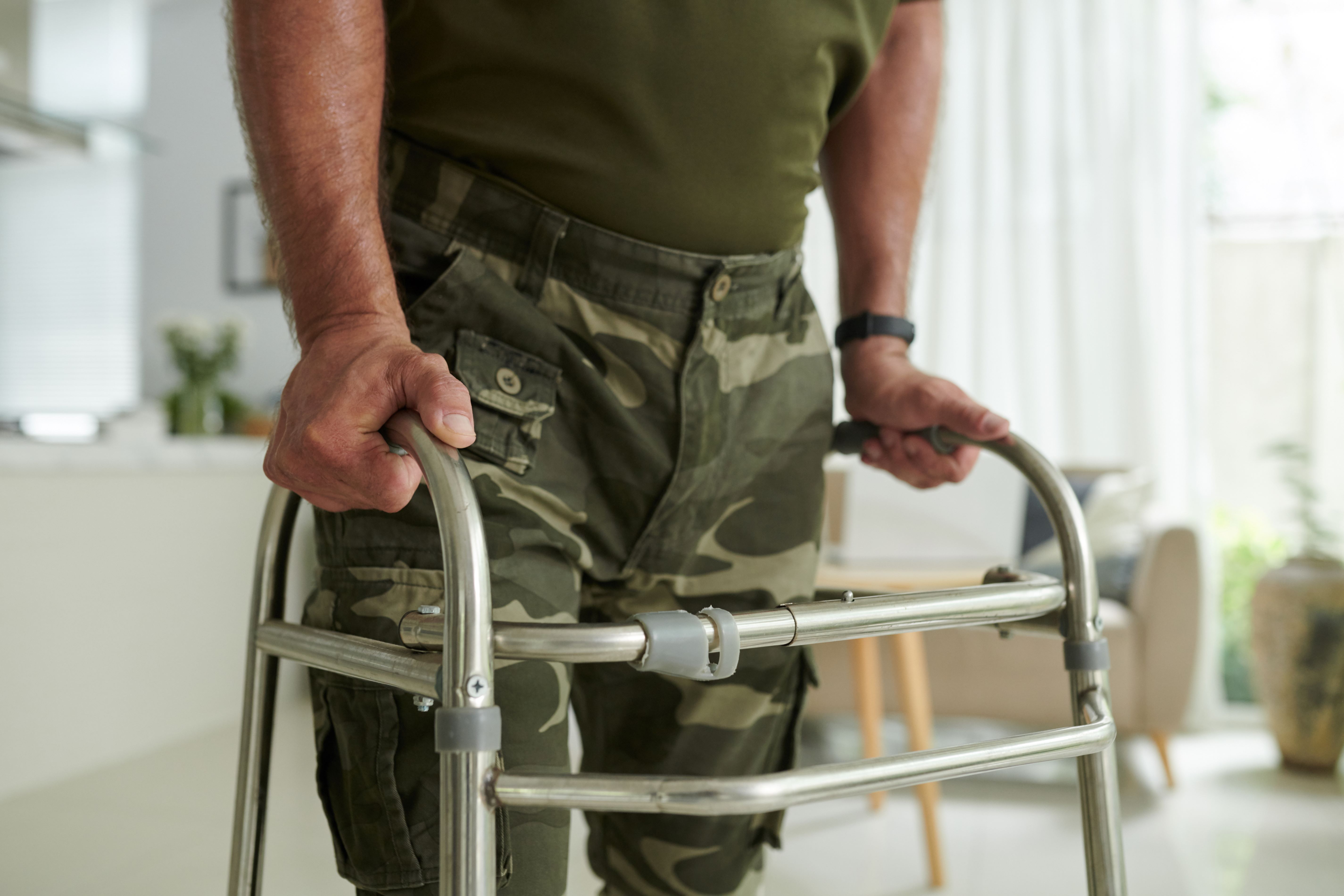
VA Respite Care in Pottstown: How In-Home Relief Works
A spouse may cancel a doctor visit because the Veteran cannot stay alone long enough for the trip. After repeated cancellations, the spouse may stop scheduling their own care. VA respite care may pay for short-term care while a family caregiver attends an appointment, runs errands, or rests. Before approval, VA reviews enrollment and clinical need. VA also checks whether the requested setting has an opening.
Quick Answer: How VA Respite Care Works
A request can start with the Veteran’s VA social worker or care team. During the call, the spouse can give the date and full time away. A caller should state why the spouse needs a break and what help the Veteran needs until the spouse returns. Next, the caller can ask which respite settings have space.
A family can place the requested date and hours on a calendar. While VA reviews the request, the spouse may check whether respite care in Pottstown is available on those dates. On the same calendar, a second entry can show any private-pay hours and the agency’s estimate. Before recording the visit as VA-paid care, the family should confirm the provider and dates with VA.
Before the first call, the caller can gather:
- VA facility and care-team contact for the Veteran.
- Full time away, including travel and check-in.
- Daily care the Veteran needs while the spouse is away.
- Preferred date and a backup date.
- Mobility aid or home entry detail the worker will need.
Travel and check-in add time before and after the visit. Requested hours should cover the full period away.
Where VA Respite Care Can Take Place
Short-term relief can take place in the home, at adult day health, or during a nursing-home stay. The VA Office of Geriatrics and Extended Care lists all three settings and says services vary by location. A caller should ask which setting has space and who arranges the visit.
In-home respite may cover approved daily tasks while the spouse is away. A request such as “help with lunch” could refer to cooking, serving, or staying nearby while the Veteran eats. “Heat the prepared meal and set it on the table” tells a reviewer what the worker must do.
With adult day health, the Veteran spends the respite hours at a local program. Before the first day, a family can ask about transport and arrival time. The family should also ask what food the program serves and whether staff help with personal care. VA caps nursing-home respite at 30 days per calendar year and asks families to schedule the stay in advance.
A spouse may provide daily care for months before asking VA for a break. When a spouse cares for a Veteran, the caller should separate daily tasks from appointment-day tasks. Bathroom help goes under daily care, with transportation under the appointment date.
VA Reviews Eligibility and Cost Before Scheduling
VA first checks health care enrollment and clinical need. Available dates also affect approval. When an outside agency or facility provides the service, VA checks whether the Veteran qualifies for community care. A social worker or case manager can explain which review applies to the chosen setting.
A caller should ask about cost during the first call. VA may base a copay on the Veteran’s service-connected status and finances. VA uses Form 10-10EC to calculate the amount. A social worker or case manager can tell the caller when to complete the form.
The spouse may privately book help with meal prep or laundry through a local office. A written estimate should list the hours and tasks separately from the VA request. During the private visit, the aide can prepare lunch while the spouse attends the appointment.
After a short visit, the spouse may see that morning dressing still needs help every weekday. An aide providing home care for Veterans in Pottstown can use a weekly task sheet. The sheet lists the start time, the task, and who will be home.
Prepare the Home for the First Visit
A wrong door code can stop a first home visit before the worker reaches the Veteran. The VA Caregiver Support Program offers its Caregiver Respite Tool: Veteran’s Needs for someone new entering the home. Even without the tool, a household can place the door code and emergency contact on one page. A second line shows the bathroom route and first care task.
Before leaving, the person who provides daily care should walk one route with the incoming aide. From a favorite chair, the route may lead to the bathroom with the walker in its usual place. If a side table blocks the walker, a relative can move the table before the respite date. A relative should place clean clothing where the aide can find it without leaving the Veteran alone.
A medicine note should list the reminder time and pill organizer location. Meal notes should tell the aide what food is ready and where to find it. Relatives should copy transfer directions and medicine instructions from the Veteran’s care team.
Before the first handoff ends, the incoming aide should read back the first emergency contact and open the lockbox. Next, the aide should explain the written step to follow if the Veteran declines bathing. If the aide still needs a phone call, the handoff page needs another line.
Questions Families Ask About VA Respite Care
Does Every Enrolled Veteran Qualify?
No. VA reviews clinical need, local openings, and the chosen setting after enrollment. If VA declines the request, the caller can ask which factor prevented approval. Next, the caller can ask whether another setting has space.
Can a Family Use a Private Home Care Agency?
A household may hire a private agency and pay privately. When VA arranges respite through an outside agency, the Veteran also needs to meet VA community care eligibility. Before booking VA-paid care, the caller can ask who sends the referral and who bills VA. For private-pay care, an agency estimate should show what the household owes.
How Far Ahead Should a Family Ask?
Lead time depends on the setting and local openings. VA asks families to schedule nursing-home respite in advance. Once the spouse schedules a doctor visit, the respite request should include travel and check-in time. Callers can also ask how the local VA team handles an urgent need.
What to Do if VA Respite Care Starts Late
Before the booked date, the spouse should ask which number handles a late arrival and when to call. A handoff page should list who can stay with the Veteran until the worker arrives. When nobody can cover the delay, the spouse may need to move the appointment. A calendar entry should include the provider’s arrival window and office phone number.