
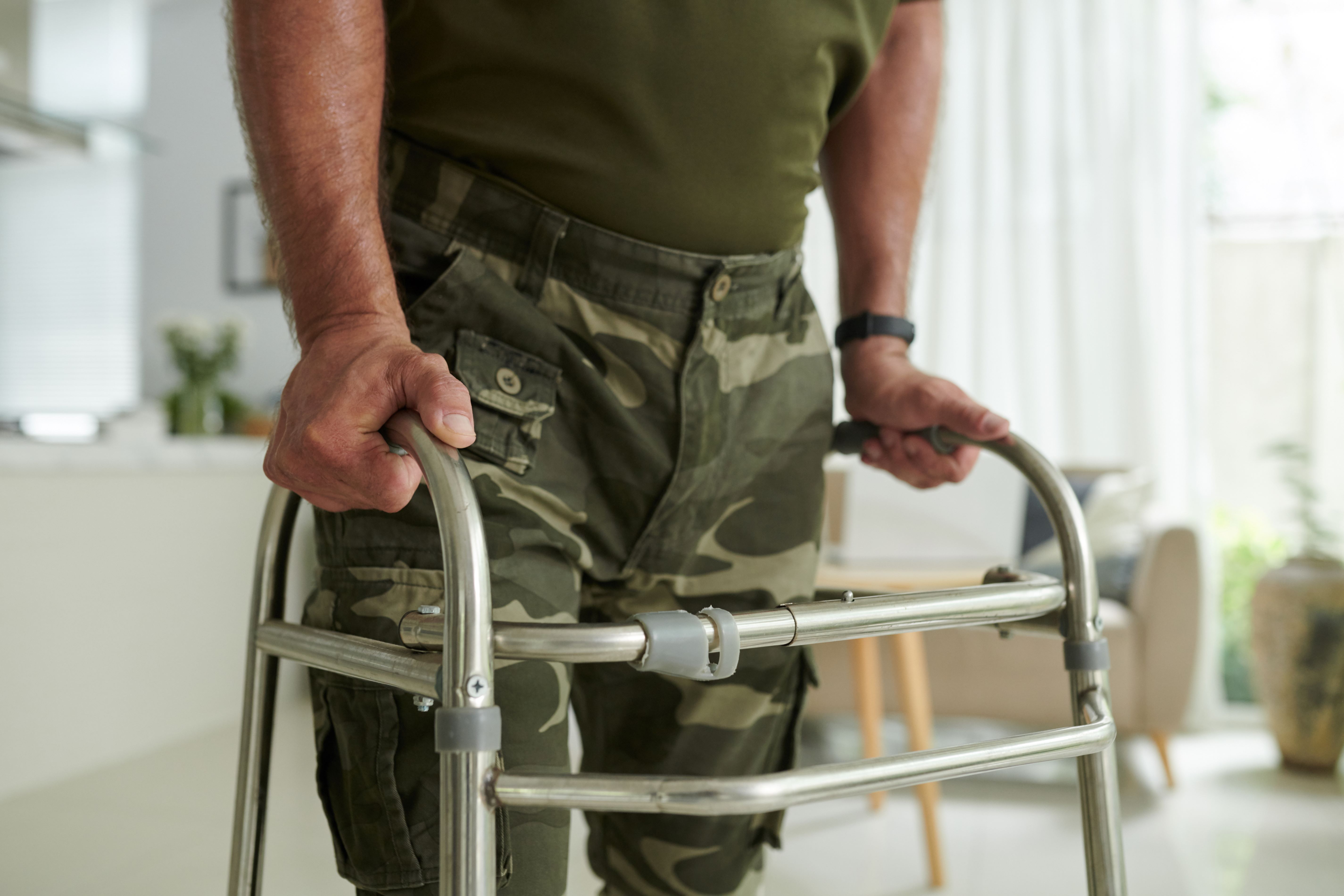
The Vietnam Generation Turns 80: When a Veteran’s Spouse Can No Longer Be the Only Caregiver
Your father served in Vietnam in 1968. He turned 80 this year. Your mother, his caregiver for the last six years, turned 79 in March. She has managed his diabetes, his bad knee, and his hearing aids largely on her own. Somewhere in the last year, managing all of it alone stopped being possible.
Can a spouse be a VA caregiver here? Sometimes, and sometimes not enough on its own. This Vietnam generation is aging into a stage where one spouse caring for another is no longer realistic.
Why This Generation Is Running Out of Road
Men who served in Vietnam are almost all in their late 70s or 80s now. Many married young, right around deployment or right after. Vietnam veterans are more likely to still be married than other people their age.
That means more spouses are doing this alone right now, not fewer. Their wives are the same age, showing the same decades of wear on their own bodies. A caregiver who is also 80 cannot keep up this pace forever.
Can a Spouse Be a VA Caregiver? What the Program Covers
The VA does have a program built for this situation. It is called the Program of Comprehensive Assistance for Family Caregivers, or PCAFC. To qualify, the veteran generally needs a service-connected disability rating of 70 percent or higher. A need for personal care services is also required.
A spouse who qualifies can receive a monthly stipend for the caregiving they already do. That stipend recognizes the work. It does not replace the work itself. A Caregiver Support Coordinator stays assigned to the family afterward to help as needs change.
What PCAFC Pays and What It Does Not
Stipend amounts depend on the veteran’s level of need and where the family lives. It covers the caregiver’s time, not medical equipment or home modifications. It also does not include the kind of backup coverage a caregiver needs when she is sick herself. You can compare that difference against what full veteran home care typically provides in an overview of veteran care services. That comparison counts most once her own health starts slipping too.
When the Caregiver’s Own Health Becomes the Bigger Risk
This is not a new problem. Family Caregiver Alliance has tracked it for years. Elderly spousal caregivers under real stress have a 63 percent higher death rate than non-caregivers the same age. That number alone should change how a family plans the next few years.
A spouse who has been the only caregiver for years rarely asks for a break on her own. When someone brings in regular respite care, she gets hours back that used to disappear into constant supervision. Those hours are often what keeps her able to keep going at all.
Can a Spouse Be a VA Caregiver Once She Needs Care Herself?
Some spouses reach a point where they need almost as much support as their husband does. PCAFC does not account well for that scenario. The program assumes the caregiver stays healthy enough to keep working. Once that assumption breaks, the whole arrangement needs a second look.
Why That Question Stops Being the Right One at 80
That question of VA eligibility made sense at 50. At 80, with her own knees, blood pressure, and memory to manage, the question changes entirely. It becomes whether one person, of any age, should be doing this alone at all.
Can a Spouse Be a VA Caregiver While Also Paying for Full-Time Care?
A VA stipend covers part of the cost, not all of it. Between that stipend and full-time paid care sits a wide middle ground. Companion care can fill part of that middle ground without taking over everything at once.
When a family brings in companion care for a few hours a day, the wife gets real relief. She does not have to give up her role entirely. That balance is usually what a family like this needs most.
Bringing In Help Without It Feeling Like Giving Up
Accepting outside help can feel like admitting failure after decades of managing alone. It is not failure. It is recognizing that one person’s body has limits, even a devoted one. When a family brings in veteran care built around a couple’s routine, both stay in their own home longer. Neither one has to manage all of it alone anymore.
Why a Proud Couple Often Refuses Help First
A man who served in combat rarely wants to be seen as needing care. His wife, who built her identity around doing everything herself, often feels the same way about asking for help. Bringing up outside care usually works better as a concrete offer than a general suggestion. A request tied to one task, like grocery runs or a shower morning, is more likely to get a yes.
Can a Spouse Be a VA Caregiver?
Yes, through the VA’s PCAFC program, if the veteran meets eligibility requirements tied to a service-connected disability. A spouse applies alongside the veteran, not separately. The answer to whether a spouse can be a VA caregiver does not change once outside help gets added later.
Does Bringing In Home Care Mean Losing VA Caregiver Benefits?
No. PCAFC does not require a caregiver to provide 100 percent of the care alone. Bringing in paid help for set tasks does not disqualify a spouse from the program.
Can a Spouse Be a VA Caregiver and Still Get Outside Help?
Yes, and most families eventually need both. The VA stipend supports the caregiving relationship. Outside home care fills the physical hours a stipend alone cannot cover.
What Does Veteran Home Care Typically Cost?
Cost depends on the number of hours and the level of care needed each day. A few hours of companion or personal care a day costs far less than full-time live-in support. Veterans benefits, long-term care insurance, and Medicaid waivers can all help offset that cost.
Sixty Years Together Does Not Have to End With Exhaustion
A marriage that survived a war and decades of work should not end in one spouse collapsing from exhaustion. PCAFC recognizes the caregiving. It does not replace the caregiver.
If a family reaches out and gets started early, both people usually end up better off.