
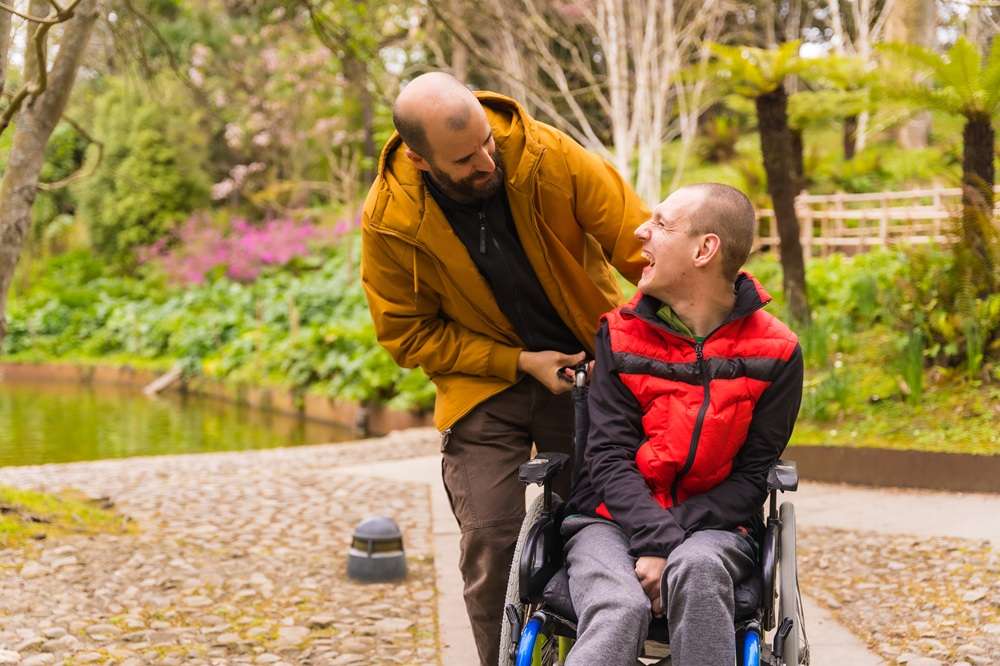
Community Integration Support at Home for Adults With Disabilities
Community integration support at home can do more than help with daily routines. It can help adults with disabilities stay connected to friends, activities, and the parts of life that give each day more meaning. This matters because support should not stop at meals, reminders, or getting through the day. It should also make it easier to keep a place in the community. For many families, community guide services can help connect a loved one to local resources.
When someone spends more time at home, life can get smaller without anyone meaning for that to happen. Plans get pushed off. Outings happen less often. Social confidence can drop. Over time, even simple things like joining a class, visiting a library, or seeing friends can start to feel harder than they should.
That is why community integration support at home matters. It helps people stay involved in everyday life in a way that feels realistic, respectful, and personal.
What Community Integration Support at Home Means
Community integration support at home means helping someone stay connected to life outside the home. This means they are still getting the support they need inside the home and out. That may include planning outings, building routines, practicing social skills, arranging transportation, or finding local programs that match a person’s interests.
More than basic in-home help
This kind of support is not only about staying safe at home. It is also about helping someone stay involved in the community. For one person, that may mean getting to a weekly art class. For another, it may mean volunteering once a month or feeling comfortable enough to meet a friend for coffee.
Support built around the person
Good support starts with the person, not the task list. Their interests matter. Their pace matters. Their comfort level matters. When support is built around those things, progress feels more natural and more lasting.
Why Staying Connected Matters for Adults With Disabilities
Isolation can creep in quietly. A person may still be safe at home, but that does not always mean they feel connected, included, or fulfilled. When days become too repetitive, confidence can shrink. Motivation can drop with it. It also helps daily life feel bigger than appointments and chores, while making it easier to keep staying engaged and active part of everyday life.
Social connection supports confidence
Connection supports emotional health, routine, and independence. It gives people something to look forward to. It also helps daily life feel bigger than appointments and chores.
Participation can make daily life feel fuller
Often, consistent companion care services support more than safety at home. They also encourage social interaction, shared activities, and more meaningful participation in everyday life.
This kind of support can be especially helpful for adults who want more independence but still need structure, encouragement, or help getting started. A familiar caregiver can make outings feel less stressful. A steady routine can make social situations feel more manageable. Little by little, a person may begin to feel more confident saying yes to things they used to avoid.
What Support May Look Like in Real Life
The practical side of community integration support at home often starts small. It may begin with helping someone get ready on time, review plans for the day, or feel prepared for an activity outside the house.
Help with routines, planning, and follow-through
Support can include planning rides to appointments or community events, building routines around hobbies or classes, and practicing communication in everyday situations. It can also include finding local opportunities that match a person’s interests and goals.
Daily care can make outings easier
Support starts with the basics. Personal care services like hygiene help, mobility support, and help with daily routines can make things easier. It can be incredibly meaningful for someone to leave the house and take part in the community.
That point often gets missed. Families may focus on the outing itself, but what happens before it matters too. If getting dressed feels stressful, if mobility is harder that day, or if the routine feels rushed, even a simple plan can fall apart. Support at home can make community participation feel more realistic because it removes some of the friction that gets in the way.
Common Barriers to Community Participation at Home
Even when a person wants to stay involved, daily barriers can make that harder than it sounds.
Isolation can grow when routines get too small
Once outings become less frequent, it is easy for confidence to drop. A person may start turning down invitations, skipping activities, or feeling unsure about places that once felt familiar.
Logistics can wear families down
Transportation, scheduling, energy, and follow-through can all become daily stress points. When those pieces keep slipping, community participation often falls off with them.
How Families Can Support Independence Without Taking Over
Families usually want to help. The hard part is knowing how to support independence without controlling every step.
Start with the person’s interests
A better approach is to begin with what the person wants. Ask what they enjoy, what they miss, or what they would like to do more often. Keep the choices simple, then build from there.
Keep support steady, but leave room for choice
It also helps to think small at first. One steady activity is better than a packed calendar that never lasts. A routine only works when it fits real life.
At the same time, not every outing has to become a project. Not every activity needs to build a skill or meet a goal. Sometimes it is enough for a person to enjoy being out, feel included, and come home feeling good about the experience.
That is one reason community integration support at home works best when it stays flexible. The right support gives structure without taking over. It helps a person do more for themselves, not less.
When Professional Support Can Help
Even the most involved family cannot do everything alone. Work schedules, burnout, transportation limits, and everyday stress can all make it harder to keep community plans going. That does not mean the goal is unrealistic. It usually means more support is needed around it.
Extra support can make participation more consistent
Families looking into home care for adults with developmental disabilities are often not just looking for help at home. They are also looking for support that makes community life more accessible, sustainable, and less stressful for everyone involved.
The right caregiver should support choice
The right caregiver can help with planning, follow-through, and consistency. That might mean helping someone get ready for an outing, offering encouragement before a new activity. Making sure routines stay steady enough that community participation does not keep falling off the schedule is something a caregiver can help with.
That support can also take pressure off the family. Instead of carrying every detail alone, they have help creating a routine that is easier to maintain over time.
Signs Community Integration Support at Home Is Working
Progress does not always look dramatic. Sometimes it looks like a person saying yes more often, feeling less overwhelmed, or starting to look forward to something again.
You may notice that outings feel less stressful than they used to, routines are easier to keep, and confidence grows in social settings. Family members may also feel less pressure doing everything alone. Those changes matter because they show that community integration support at home is not just about being busy. It is about helping daily life feel more connected, more self-directed, and more satisfying.
Frequently Asked Questions About Community Integration Support at Home
What is community integration support at home?
Community integration support at home helps adults with disabilities stay involved in community life while receiving support with routines, planning, transportation, and daily participation.
Who benefits from community integration support at home?
Adults with disabilities who want to stay connected, build confidence, and take part in more activities often enjoy this kind of support.
How is community integration different from basic in-home care?
Basic in-home care often focuses on safety and daily tasks. Community integration support at home also focuses on connection, participation, and helping someone stay involved in everyday life outside the home.
Can a caregiver help with community activities?
Yes. A caregiver may help with planning, transportation, encouragement, routines, and support during activities in the community.
What if my loved one wants more independence but still needs help?
That is often where this type of support works best. The goal is to give enough help to make participation easier while still protecting the person’s choices and independence.
The Main Point
Support at home should do more than cover basic tasks. It should also help adults with disabilities stay connected to people, activities, and routines that make life feel fuller. Community integration support at home works best when it is personal, steady, and built around real interests. With the right support, independence and connection can grow side by side.