
Top 10 Safety Features Every Senior Home Should Have
As people age, the home environment plays an increasingly important role in health, independence, and overall quality of life. What once felt safe and easy to navigate can gradually become challenging due to changes in mobility, vision, balance, or strength. For families supporting an older loved one, improving home safety is one of the most effective ways to reduce risk and promote confidence.
Whether a senior lives alone or receives help from professional in-home caregivers, a well-prepared home can prevent injuries and support aging at home. Families working with home care providers in Naperville, IL, Downers Grove, IL, and surrounding communities often find that small changes make a meaningful difference.
Below are ten essential safety features every senior home should have, along with guidance on why they matter and how they support long term independence.
1. Adequate Lighting Throughout the Home
Poor lighting is one of the most common contributors to falls. Aging eyes require more light to see clearly, especially at night or in low contrast areas.
Every senior home should have bright, evenly distributed lighting in hallways, staircases, bathrooms, and entryways. Night lights in bedrooms and bathrooms help reduce disorientation during nighttime trips. Motion activated lighting can be especially helpful for seniors with limited mobility.
Families receiving home care assistance in Naperville, IL, often start safety planning by evaluating lighting, since it is a simple but powerful improvement.
2. Non Slip Flooring and Secure Rugs
Slippery surfaces and loose rugs create serious fall hazards. Hard floors should have non-slip finishes and throw rugs should either be removed or secured with non-slip backing.
Bathrooms and kitchens are particularly important areas to address. Non-slip mats near sinks, tubs, and stoves can reduce risk without major renovations.
Home care providers serving Wheaton, IL, or Plainfield, IL, often help families identify flooring hazards during home assessments.
3. Grab Bars in Bathrooms
Bathrooms are one of the most dangerous areas in the home for seniors. Wet surfaces and tight spaces increase the likelihood of falls.
Installing grab bars near toilets and inside showers or tubs provides critical support for balance and transfers. Grab bars should be professionally installed and anchored securely into wall studs.
For seniors using in-home caregivers, bathroom modifications are often among the first safety upgrades recommended.
4. Walk In Showers or Low Entry Tubs
Stepping over a high tub wall can be difficult and unsafe for older adults. Walk-in showers or low entry tubs reduce strain and allow seniors to bathe more independently.
Adding a shower seat and handheld showerhead further improves safety and comfort. These features also make it easier for in-home caregivers to assist when needed.
Families coordinating home care in Bolingbrook, IL, or nearby communities often find that bathroom accessibility greatly impacts daily routines.
5. Clear Pathways and Clutter Free Living Areas
Clutter increases the risk of trips and falls. Furniture, cords, and personal items should not block walkways or doorways.
Clear pathways are especially important between the bedroom, bathroom, and kitchen. Rearranging furniture to allow wider walking spaces can help seniors move more confidently with or without mobility aids.
In homes where professional caregivers provide support, maintaining organized spaces also improves efficiency and safety during care tasks.
6. Handrails on Both Sides of Stairs
Stairs present a major challenge for many older adults. Handrails should be installed on both sides of staircases to provide stability and support.
Handrails should be easy to grip and securely mounted. Stair edges should be clearly visible, with contrasting colors if possible, to assist seniors with visual changes.
Caregiving teams offering home care in Joliet, IL, and home care in Lockport, IL, frequently recommend stair safety upgrades as part of fall prevention planning.
7. Easy to Reach Storage and Appliances
Reaching overhead or bending low increases fall risk and strain. Frequently used items should be stored at waist or chest height whenever possible.
Kitchens should be arranged so cookware, dishes, and food are easy to access. Lever style handles on faucets and cabinets are easier to use for seniors with arthritis or reduced hand strength.
These adjustments support independence and reduce reliance on constant assistance.
8. Emergency Alert Systems
Even in a well-prepared home, emergencies can happen. Personal emergency response systems allow seniors to call for help quickly if they fall or feel unwell.
These systems may include wearable pendants, wrist devices, or wall mounted buttons. Some advanced systems also detect falls automatically.
Families searching for elder care services “near me” often combine professional caregiving with emergency alert systems for added peace of mind.
9. Smoke Detectors and Carbon Monoxide Alarms
Fire safety is critical for seniors, particularly those with mobility or hearing challenges. Smoke detectors and carbon monoxide alarms should be installed on every level of the home and checked regularly.
Devices with visual alerts or louder alarms may be beneficial for seniors with hearing loss. Caregivers often help monitor and test these systems during regular visits.
10. Temperature and Water Safety Controls
Burns are a hidden risk for older adults. Water heater temperatures should be set to prevent scalding, and anti-scald devices can be installed on faucets and showerheads.
Thermostats that are easy to read and adjust help seniors maintain comfortable indoor temperatures, reducing risk during extreme weather.
Home care professionals frequently help families assess these risks during seasonal safety checks.
The Role of Professional Home Care in Home Safety
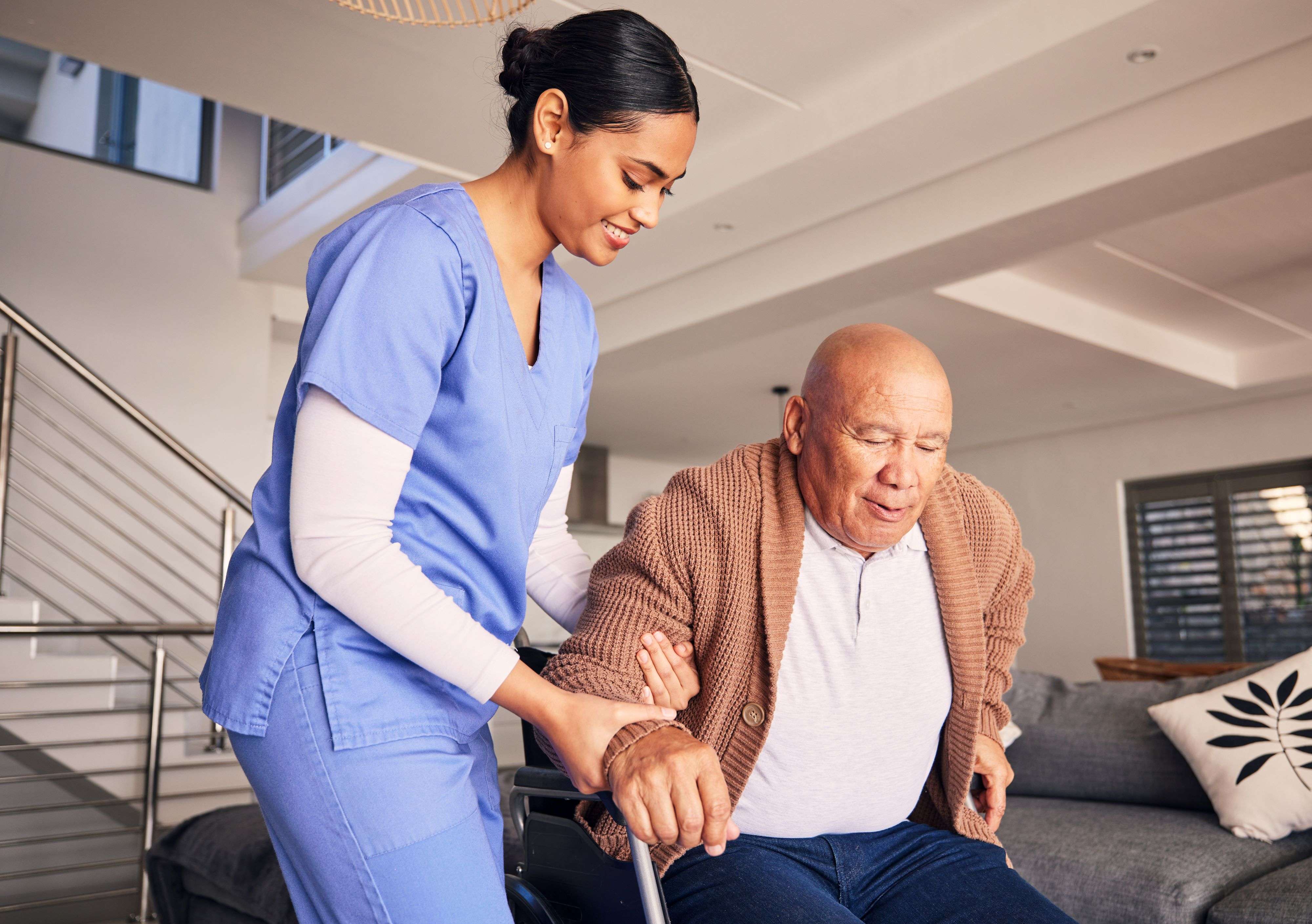
While safety features are essential, ongoing support plays an equally important role. Professional in-home caregivers help monitor changes in mobility, behavior, and health that may affect safety.
Caregivers can also reinforce safe habits, assist with daily tasks, and alert families to new concerns. Families seeking home care assistance in Naperville, IL, or home care in Lockport, IL, often find that combining environmental modifications with caregiving support creates the safest outcome.
Final Thoughts: How Caregivers Help Seniors Stay Safe at Home
Creating a safe home for an older adult is not about limiting independence. It is about supporting confidence, comfort, and long term well-being. Many safety improvements are simple, affordable, and highly effective when implemented early.
Whether a senior lives independently or receives support from home care providers in Naperville, Plainfield, or Lockport, IL, thoughtful home safety planning can reduce risk and improve quality of life.
By addressing these ten essential safety features, families can help ensure that home remains a secure and supportive place for aging.